

A rhythm built
for wonder.
In the Spark Studio, the day moves with the natural energy of young children — calm, focused mornings followed by hands-on exploration, outdoor play, and time for imagination to take flight.
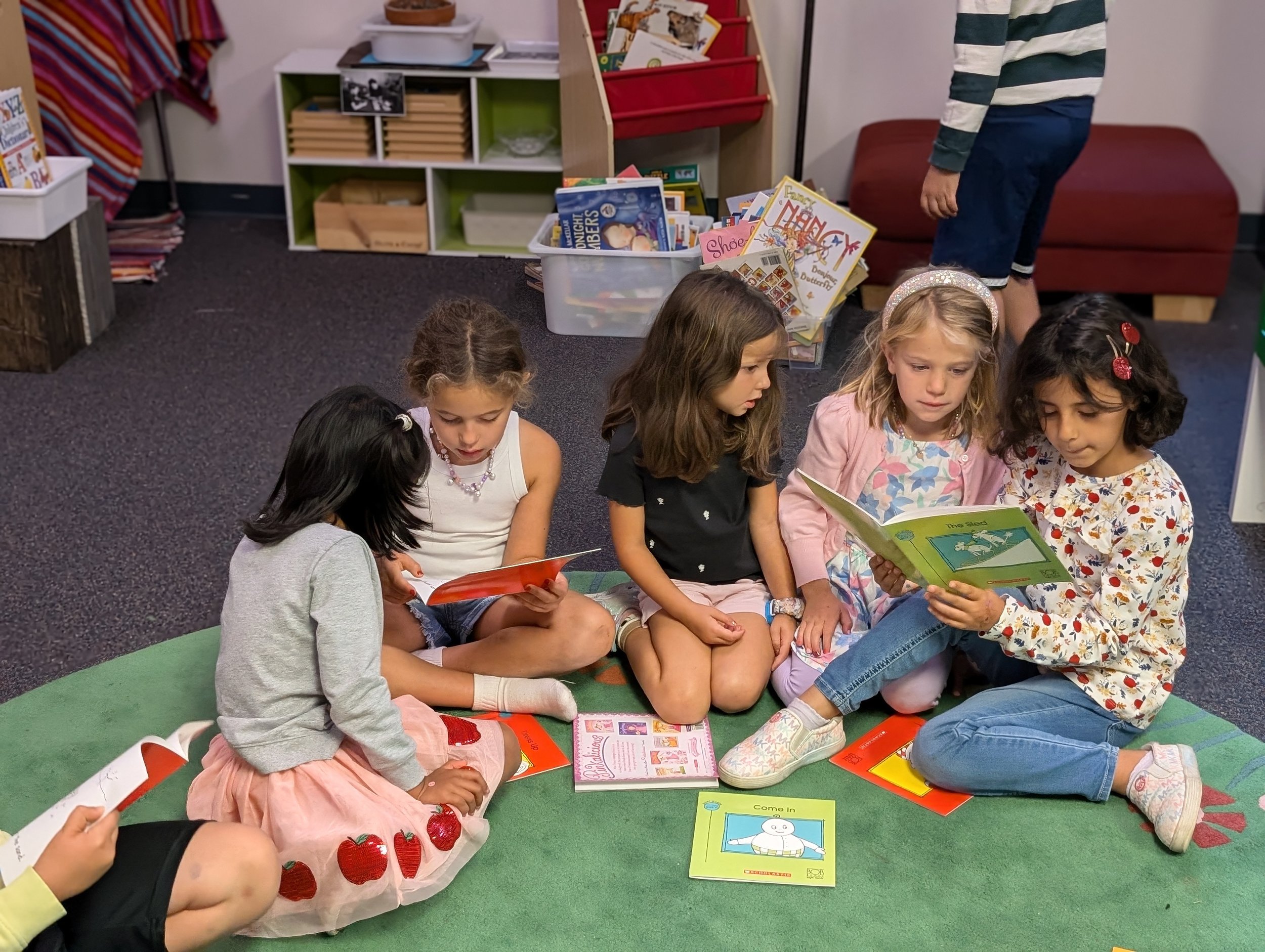
In the Spark Studio at Acton Academy Columbus, the day is designed to honor the natural energy of young children. We believe four- and five- and six-year-olds thrive when given both the structure to focus and the freedom to create.
The morning begins calmly with the Montessori work cycle, where learners engage in self-chosen academic work. As the day unfolds, the focus shifts outward — to nature, collaborative Quest projects, imaginative loose-parts play, and the small acts of community that build character.
By the time learners are ready to graduate to Growth Studio, they have what every child deserves to start with: independence, focus, the ability to hold a real conversation, and the comfort of knowing they belong.
Three roots,
one garden.
Spark draws from three of the most considered approaches to early childhood education. None of them stand alone here — they're woven together, each contributing what it does best.
Montessori.
Self-paced, hands-on work in math, language, and practical life. The prepared environment, the work cycle, and the deep respect for a child's capacity for concentration. This is the foundation of our morning.
Reggio Emilia.
The child as researcher. Project-based exploration where learners follow their own questions through art, science, and storytelling. The hundred languages of childhood, taken seriously.
Waldorf.
Loose-parts play, daily outdoor time, and the rhythms of nature. Imagination protected from screens, and the body engaged through woodworking, sewing, and unstructured discovery.
A typical rhythm.
Designed for flow, focus, and fun. The exact cadence flexes with the season and the children — but every day moves through these six phases.
Drop-off & arrival.
A calm, unhurried start. Learners settle in, greet their friends, and ease into the studio at their own pace.
Montessori work cycle.
The longest, most focused stretch of the day. Learners choose self-paced activities in math, language, and practical life — building concentration, independence, and mastery.
Lunch & outdoor play.
We break bread together, then head outside for unstructured nature play. The research is unambiguous: kids need this. We protect it fiercely.
Reggio Quest & STEAM.
Hands-on, collaborative challenges. Learners explore science, engineering, art, and storytelling through projects that follow their own questions.
Open studio & creative flow.
Time for deep play. Loose parts, artistic expression, imaginative storytelling — the unhurried space where the most original work tends to happen.
Studio maintenance & closing.
Learners clean and care for their own studio. Reflection circle. Wins shared, gratitude expressed, and home with their families. No homework. Flex pickup until 3:30.
Times are approximate. The studio breathes — sometimes a Quest runs long, sometimes outdoor play stretches because the weather is too perfect not to. The frame holds; the texture is alive.
"The environment must be rich in motives which lend interest to activity and invite the child to conduct his own experiences."— Maria Montessori
Heart, mind, and hands.
We don't measure Spark learners against a curriculum — we watch them become someone. Six archetypes show up in every child, in their own way, in their own time.
The Scientist.
Self-guided experiments and project-based discovery foster deep curiosity. Why does ice float? What happens if we mix these? Learners become comfortable not knowing — and then finding out.
The Artist.
Reggio-inspired studio work and loose parts play give imagination a voice. Painting, collage, sculpture, and storytelling — every learner finds the medium that lets them say what only they can say.
The Maker.
Real tools, real materials. Woodworking, sewing, baking — fine motor skills and patience built through hands-on craft, not worksheets. Learners leave Spark knowing they can build things.
The Mentor.
Mixed ages, mixed responsibilities. Older Spark learners help younger ones tie shoes, sound out words, and clean up — and discover, in the helping, just how much they actually know.
The Citizen.
Grace and Courtesy lessons teach empathy through practice — how we greet a guest, how we resolve a disagreement, how we treat the studio. Character built through doing, not lecturing.
The Storyteller.
Daily discussions, vocabulary woven through every interaction, and the slow patient work of finding words for big ideas. Spark learners leave with their own voice — and know how to use it.
Inside the studio.
Eight glimpses of what daily life looks like — the practices, the rituals, the small things that add up to a season of childhood lived well.
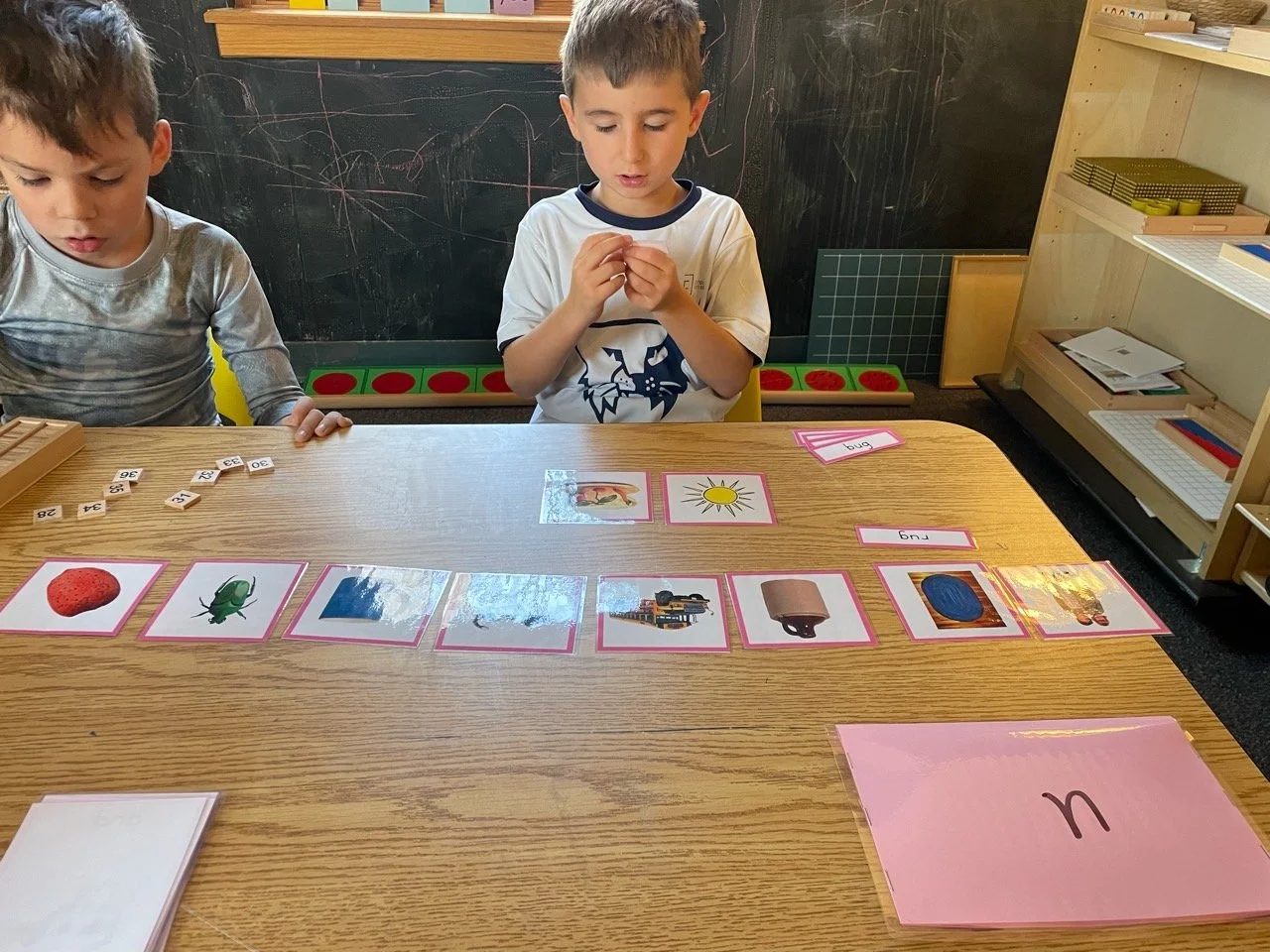
Self-paced work cycle.
Hands-on activities that foster concentration, independence, and a love of learning. Learners build mastery in math, language, and life skills at their own pace.
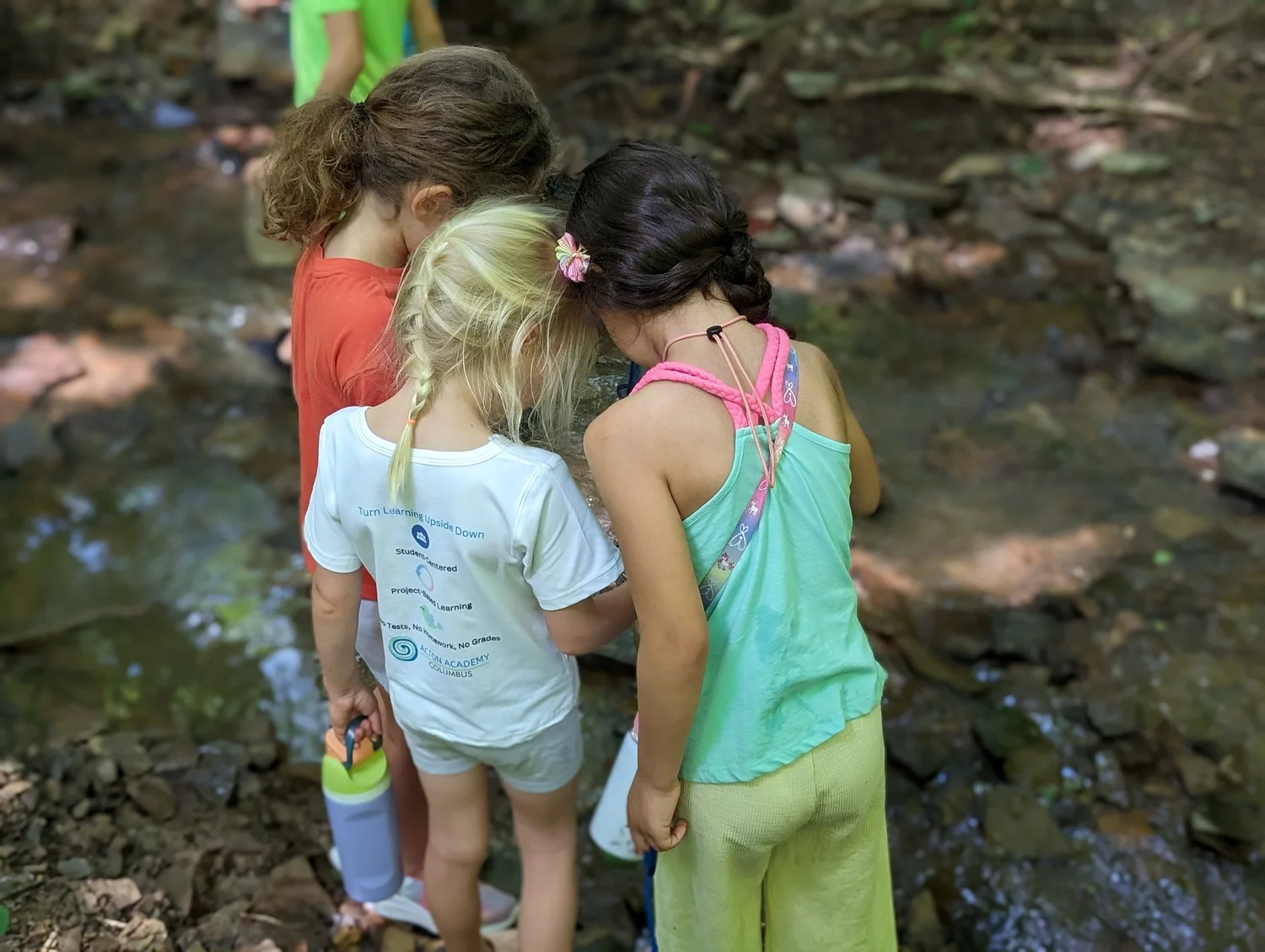
Daily outdoor play.
Unstructured time outside encourages creativity, resilience, and social skills. Learners connect with nature and develop independence and problem-solving in real time.
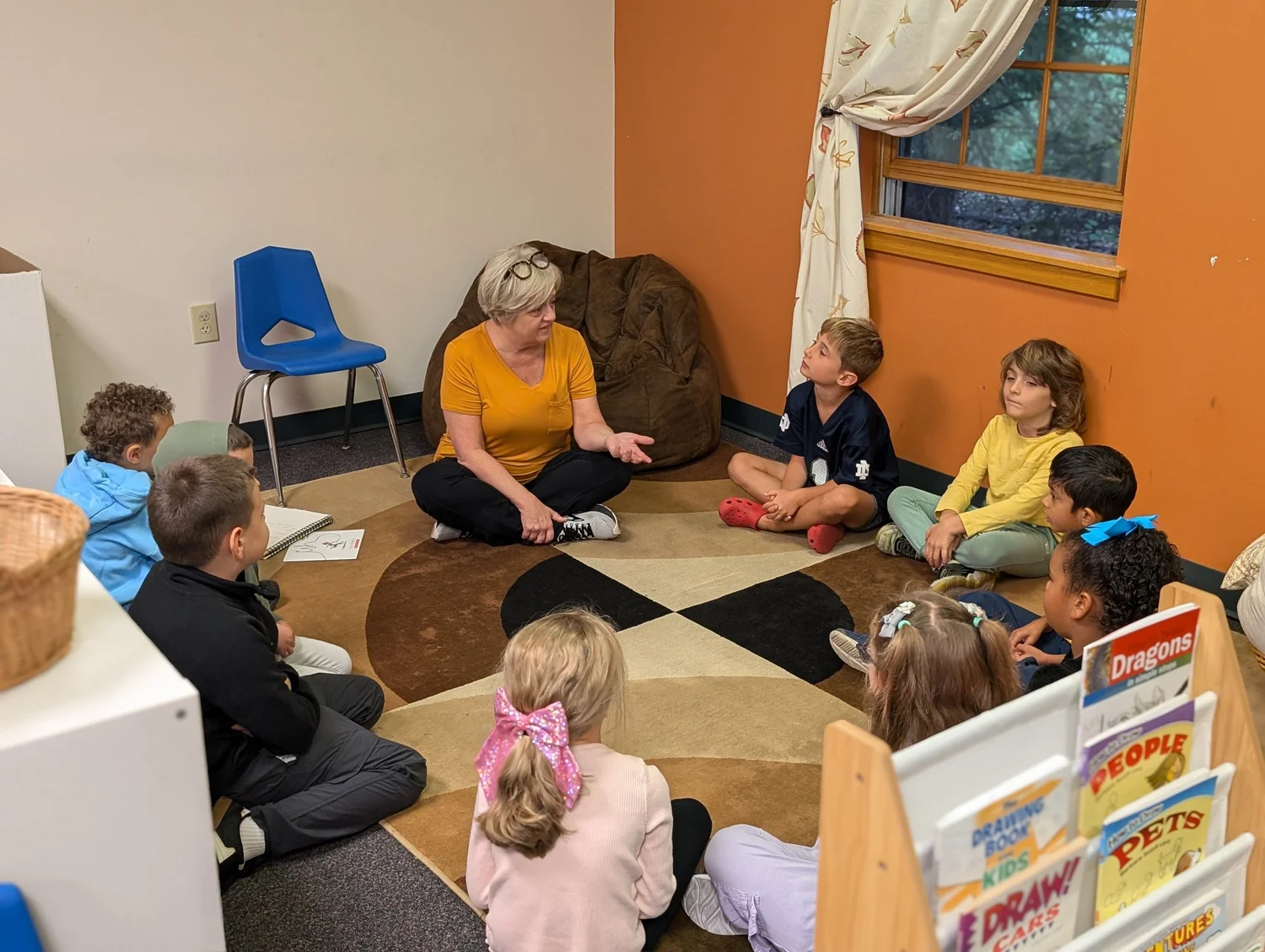
Voice, listening, vocabulary.
Learners practice speaking and listening, encounter new words through a guide's intentional choices, and explore their role in the community through role play.
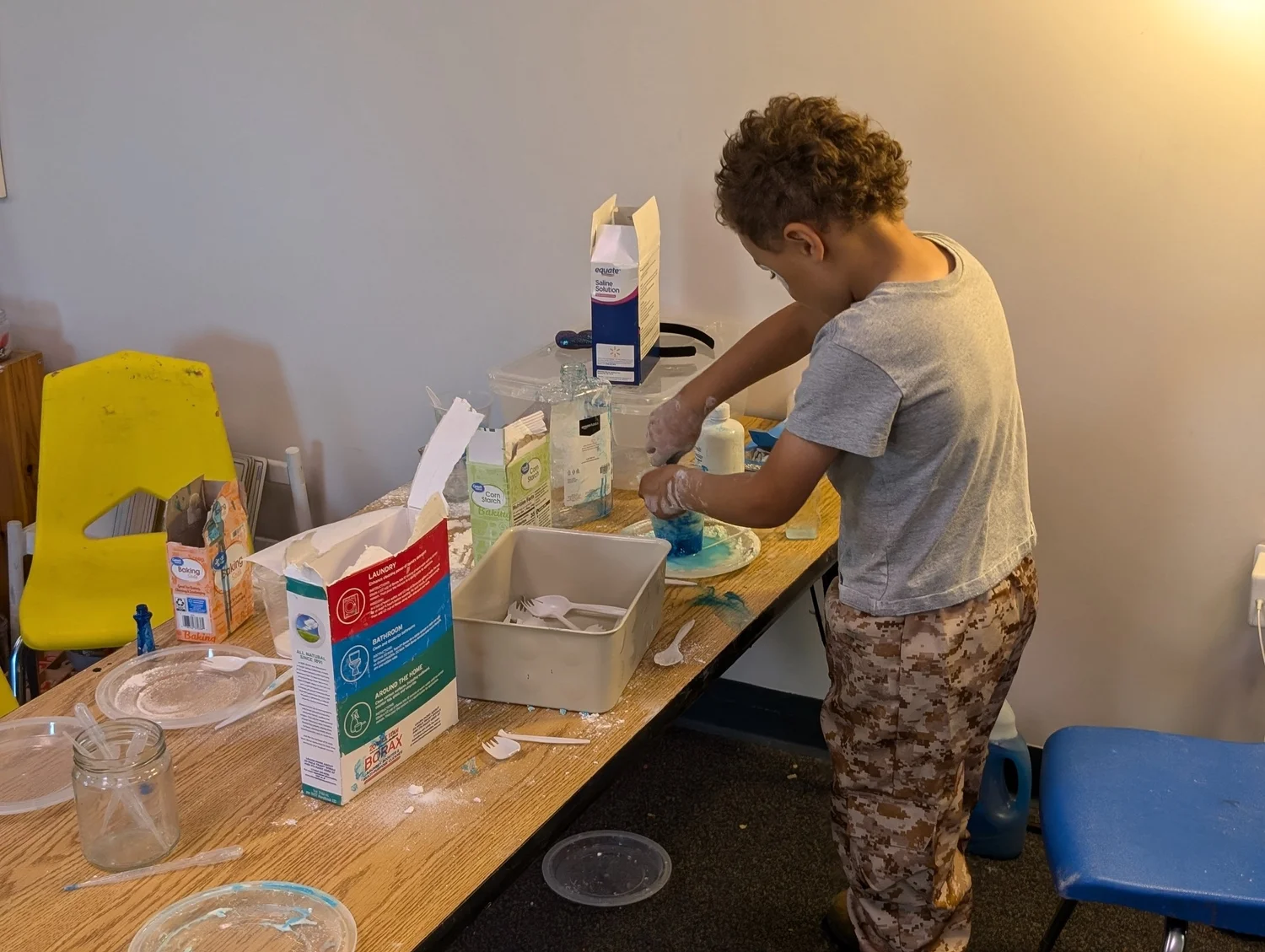
Project-based discovery.
Self-guided science experiments, open-ended projects, and expressive art activities. Curiosity and creativity, supported but not directed.
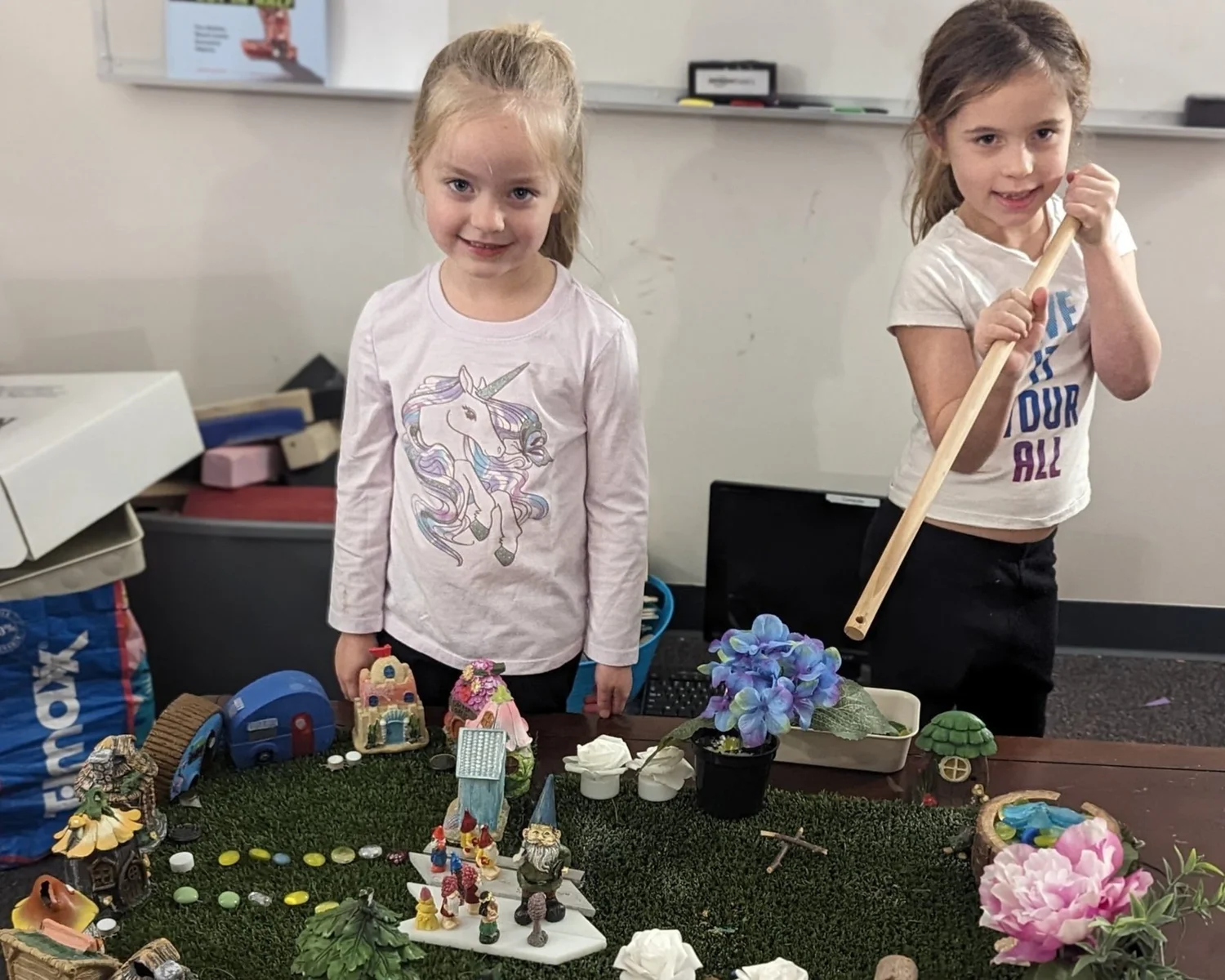
Loose-parts play.
Open-ended materials become whatever the learner needs them to be. Stories take shape, characters emerge, and language and collaboration grow alongside.
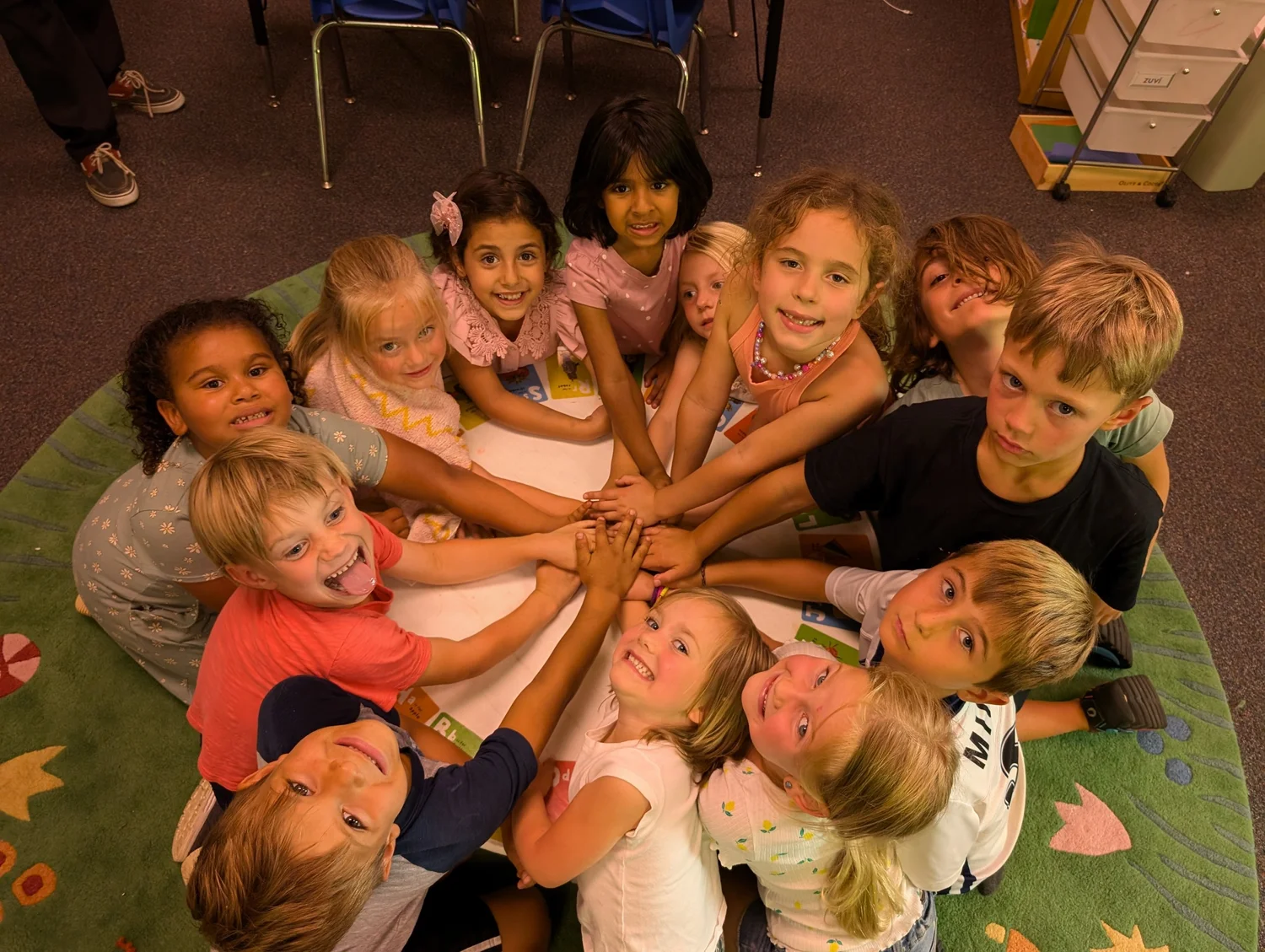
Empathy, practiced.
The small daily lessons in respect, kindness, and how we treat one another. Character built through repetition — and modeled, every day, by the guides.
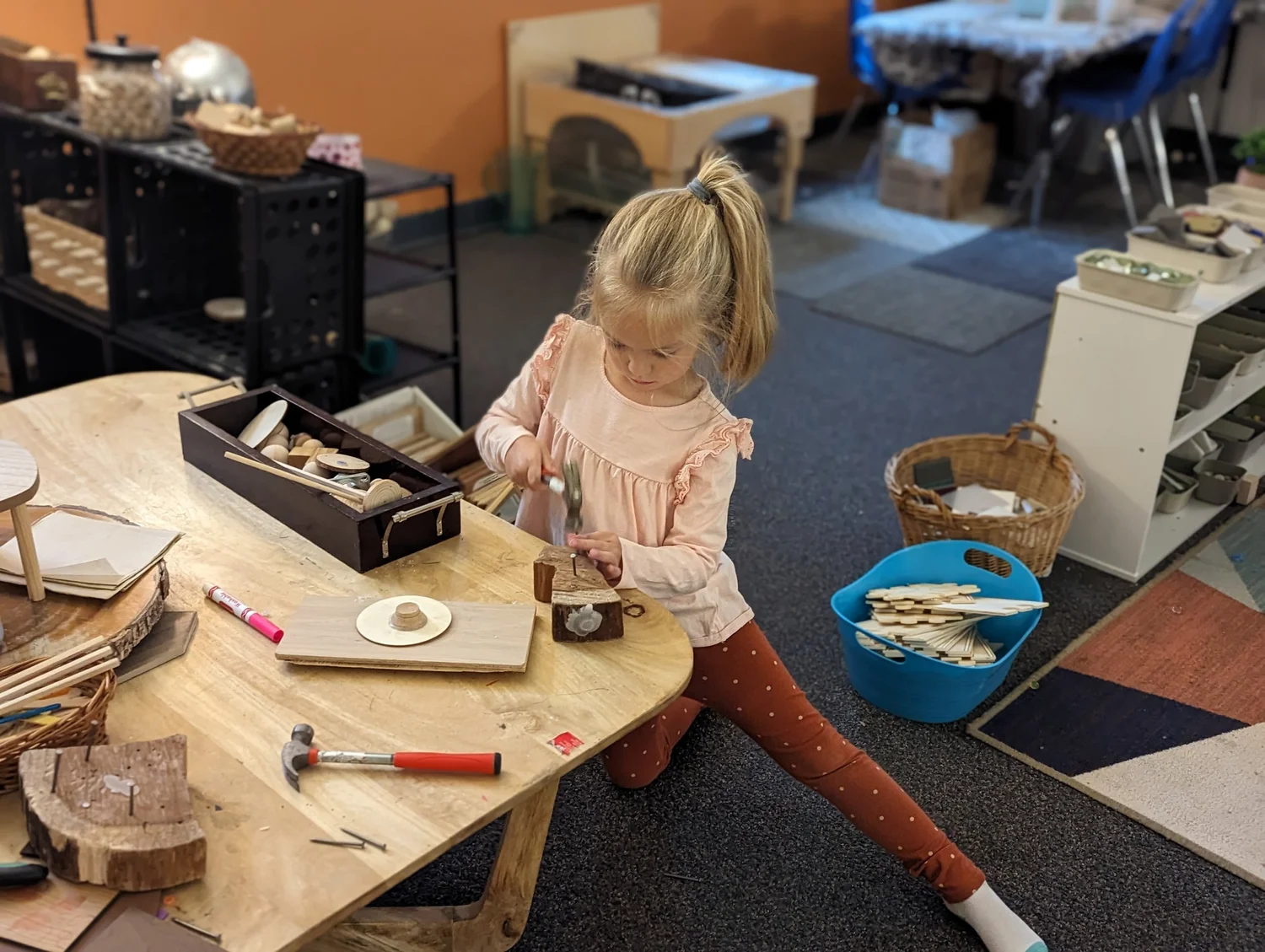
Hands, real tools.
Woodworking, sewing, cooking — practical skills built with real materials and real techniques. Fine motor skills and confidence grow together.
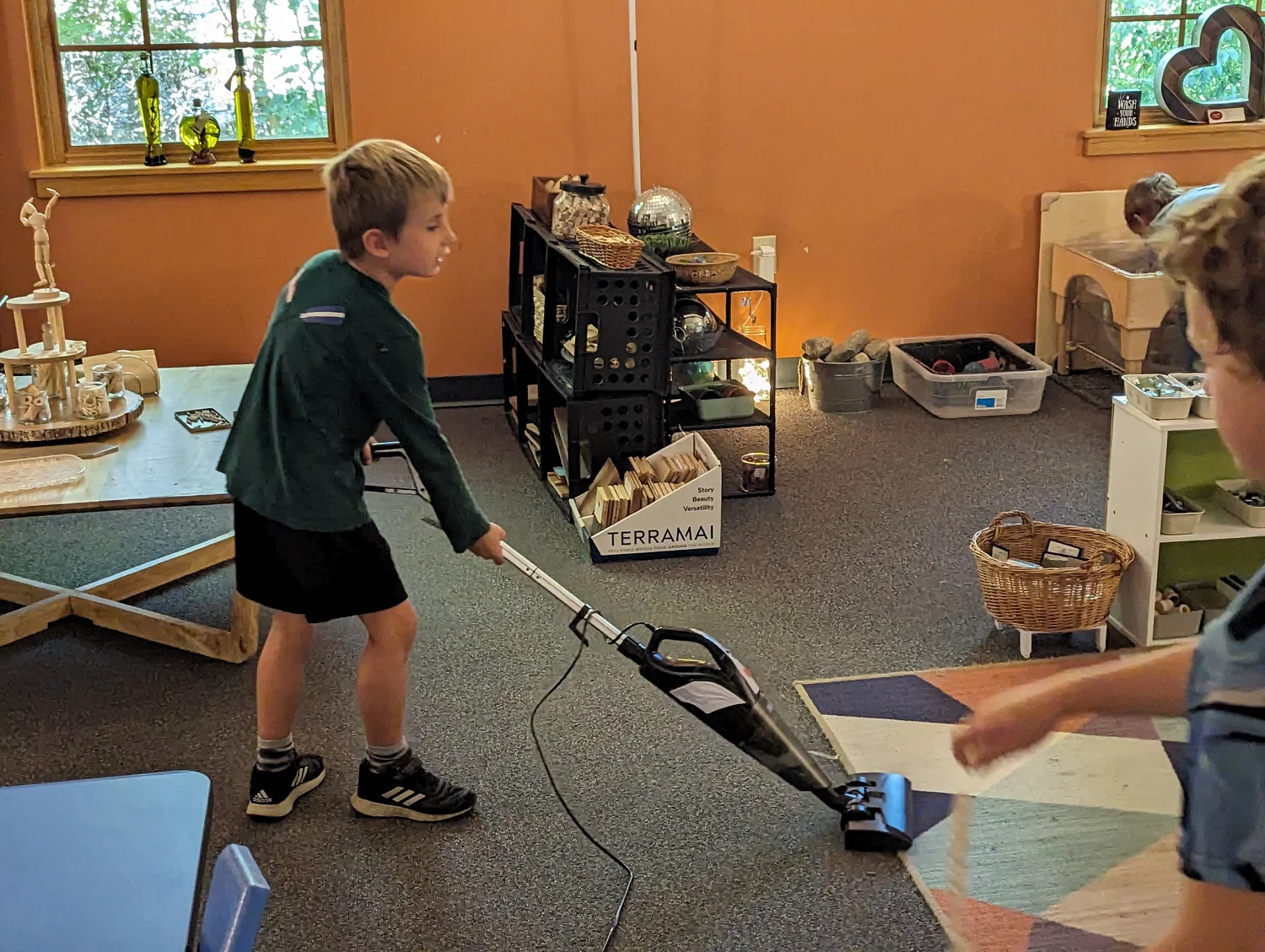
Caring for the studio.
Learners clean and organize their own space together. Ownership, responsibility, and pride in their shared world — habits formed early, carried for life.
If this resonates,
let's keep talking.
Three honest invitations on your timeline. Read what we do, meet us in person, or just have a conversation.
Read the info kit.
Everything we'd tell you over coffee, in one honest read. Our philosophy, all four studios, the Hero's Journey, and an honest "is Acton right for your family?" reckoning.
Get the Info Kit Step TwoHave a conversation.
Schedule a 15-minute call. Bring your hardest questions — about tuition, fit, your specific child. The aim is honesty, not the sale.
Schedule a call Step ThreeVisit the studio.
Walk through the space. See the work on the walls. Watch the rhythm in motion. There is no substitute for being in the room.
Plan a visit