
Montessori-Inspired.
Learner-Driven.
Real-World.
Acton Academy Columbus isn't a tweak on the traditional model. It's a fundamentally different philosophy about how children learn, grow, and discover who they are — and what they're here to do.
"Children are born curious, capable, and creative. The goal of education should be to protect those qualities — not extinguish them."— Acton Academy Philosophy
What makes us different
Every element of Acton is intentional — from how learners set goals to how they present their work to the world.

Learner-Driven
Learners set their own goals, track their own progress, and hold each other accountable — because agency is a skill, and it must be practiced daily.

Montessori-Inspired
Hands-on materials, freedom of movement, and deep focus periods build independence, concentration, and intrinsic motivation from the earliest years.

Children's Business Fair
Every year, learners launch real businesses, serve real customers, and take home real revenue — an unforgettable introduction to the entrepreneurial mindset.

STEM & Maker Projects
Build, test, fail, iterate. Learners engage with science, engineering, and design through real challenges — not worksheets.

Project-Based Quests
Multi-week, real-world challenges in STEM, entrepreneurship, and the arts that culminate in public exhibitions — giving learning real stakes and real pride.

Growth Mindset
Failure is reframed as data. Struggle is the signal that learning is happening. Learners develop the resilience to keep going when things get hard.

Community Connections
Expert guests, field trips, apprenticeships, and community projects bring the outside world in — and send learners out into it with purpose.

Public Exhibitions
At the end of every Quest, learners present their work to real audiences — parents, experts, and the public. Real stakes produce real confidence.

Mastery Over Grades
Learners advance when they've truly mastered a concept — not when the calendar says so. Self-paced learning paths replace grades and report cards.

Socratic Discussions
Instead of lectures, Guides ask questions that demand real thinking. Learners develop the ability to reason clearly, listen deeply, and speak boldly.

Microschool Community
A tight-knit, mixed-age studio where older learners mentor younger ones, friendships run deep, and every child is known — not just enrolled.

Studio Ownership
Learners maintain their own space, uphold community norms, and take genuine responsibility for the environment they share — because ownership is earned.
How Acton compares to
the traditional model
This isn't about being "alternative." It's about asking what school should actually accomplish — and building something that delivers it.
| Traditional Approach | Acton Academy Approach |
|---|---|
| FocusLearn to Know — quizzes, tests, memorization | Beyond TextbooksLearn to Learn, Learn to Do, Learn to Be |
| StructureGrouped by age, everyone moves together | Mixed-Age StudioGrowth mindset environment, self-paced |
| EnvironmentRows of desks, raise your hand | Freedom to MoveMovement fosters thought and creativity |
| HomeworkExcessive homework required | No HomeworkForced homework kills joy for learning |
| InstructionTeacher-led lectures at the front | Socratic QuestionsFosters critical thinking and ownership |
| CurriculumOne-size-fits-all, standardized | Personalized EducationSelf-paced learning paths for every learner |
| AuthorityTeacher is the authority; students comply | Learner-DrivenStudent contracts, peer-to-peer accountability |
| ProgressGrades and report cards | Mastery-Based LearningIndividual SMART goals, focus on mastery |
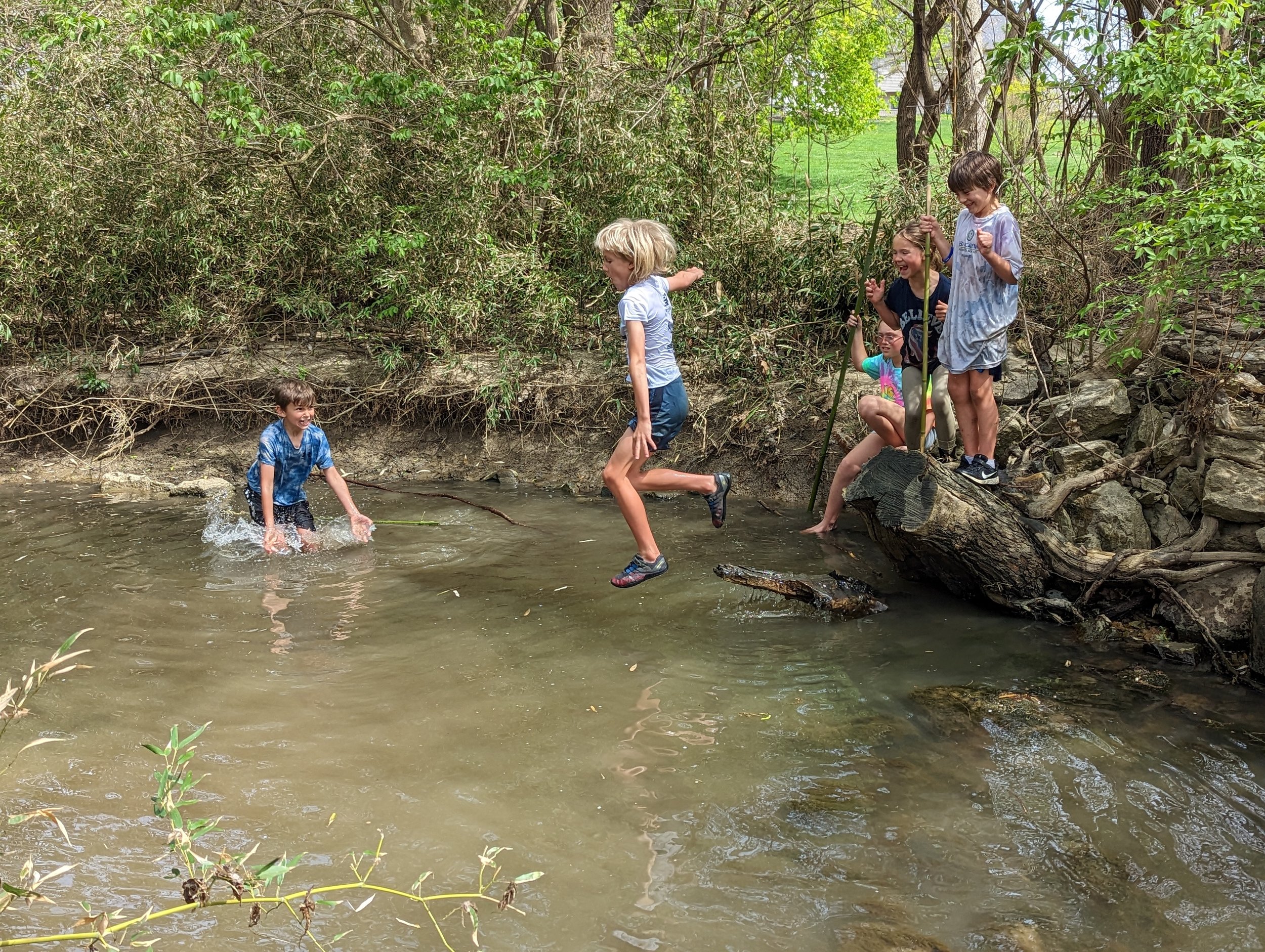
The child is capable of extraordinary things — if we get out of the way.
The most important shift at Acton is a simple one: we believe children are born with the desire to learn, grow, and lead. The job of a Guide is not to pour knowledge in — it's to protect the curiosity that's already there.
- Learners own their goals from day one
- Guides ask questions; learners find the answers
- Mistakes are celebrated as learning opportunities
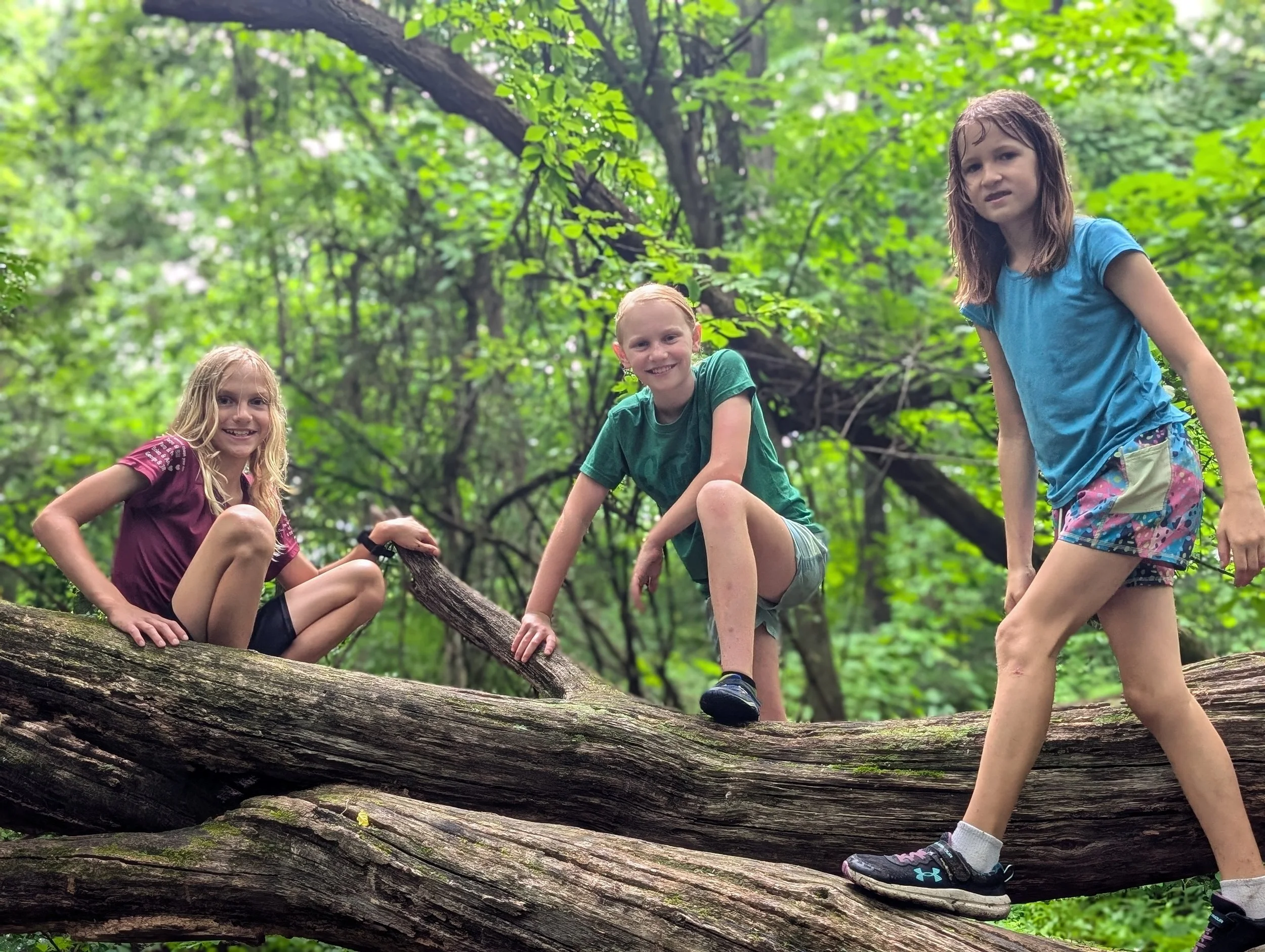
School shouldn't just prepare kids for life. It should be life.
Quests are multi-week, real-world challenges that blend STEM, entrepreneurship, and the arts. Learners don't just study — they build, ship, and present. The audience is real. The stakes are real. The pride is earned.
- Public exhibitions at the end of every Quest
- Real businesses, real customers, real revenue
- Community experts and apprenticeships for older learners
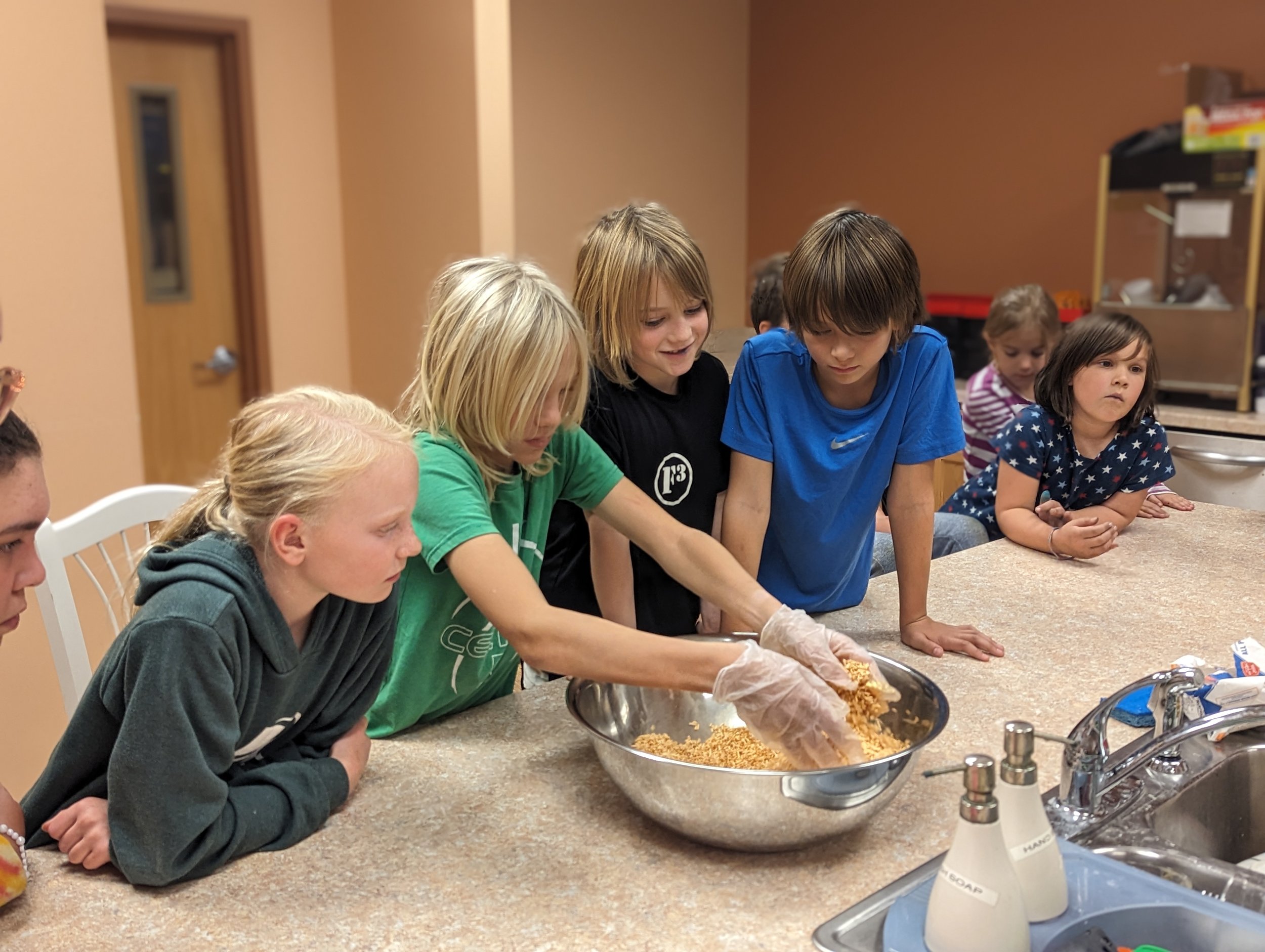
Character is built the same way everything else is — by doing it.
At Acton, character development isn't a values poster on the wall. It's lived daily through community contracts, peer accountability, and the quiet courage it takes to try something hard and keep going when it doesn't work.
- Learner-written Contracts of Promises govern community norms
- Mixed-age studios create natural mentorship
- Executive functioning skills — planning, delegation, follow-through
The role of a Guide
vs. a Teacher
One of the most important differences at Acton is the role of the adult in the room. Guides don't teach — they empower.
| Traditional Teacher | Acton Guide |
|---|---|
| RoleDelivers knowledge and content to students | RoleAsks questions and sparks curiosity |
| AuthorityAuthority figure — directs behavior and learning | AuthorityTrusted adult — steps back so learners step up |
| FeedbackTests, quizzes, and grades | FeedbackCoaching, reflection, peer feedback, exhibitions, mastery |
| InstructionLectures and explains concepts to the class | InstructionFacilitates Socratic discussions and peer learning |
| MotivationMotivates through grades, praise, and consequences | MotivationCultivates intrinsic motivation and self-direction |
| OwnershipOwns the plan, pace, and outcomes of learning | OwnershipLearner owns the goals, choices, and journey |
| ProblemsRescues learners from difficulty and confusion | ProblemsLets learners struggle productively — growth lives there |
| GoalPrepare students for the next test or grade level | GoalPrepare learners for a life of purpose and leadership |
Voices that inspire our approach
"Children are born to be curious, independent, active, self-directed learners, and will remain that way if school doesn't dampen their natural curiosity about the world."— Wendy Priesnitz
"The primary goal of real education is not to deliver facts but to guide students to the truths that will allow them to take responsibility for their lives."— John Taylor Gatto
"Educational success should be measured not by test scores, but by how strong a student's desire is to keep learning."— Alfie Kohn
Your child was built
for something bigger
If you're looking for a school that treats your child as a hero on a unique journey — not a number in a system — we'd love to meet your family.