
School for the 21st century
School for the 21st century
For more than a century, education has been shaped—not by committees, test publishers, or policymakers—but by the world itself. Every era has demanded new skills, new ways of thinking, and new forms of human excellence.
And every era has asked schools the same essential question: Will you evolve, or will you stay rooted in the past?
1920s: Learning to Know — When Knowledge Was Power
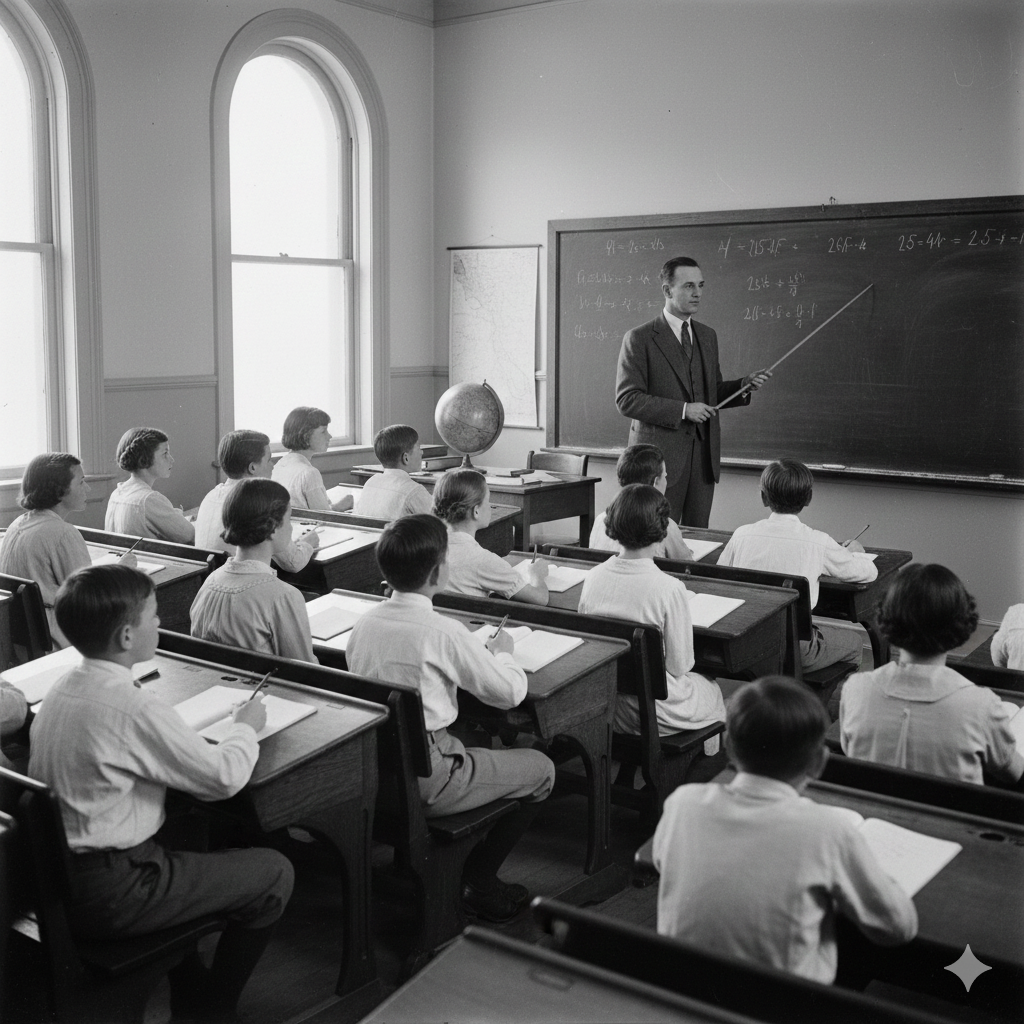
In the early 20th century, schools resembled factories because society itself did. Rows of desks. Standardized lessons. A single authority at the front of the room.
Teachers delivered information because information was scarce. Access to knowledge was controlled by institutions, not individuals. So school prioritized:
- Memorization
- Attention and obedience
- Repetition
- “Right answers”
Success meant being able to recall the information someone else handed you. Knowing was the skill of the age.
1998: Learning to Learn — When the Internet Changed Everything
When the internet became a household standard, the world exploded with information. Knowledge was no longer scarce. It was abundant.
- How fast you could learn
- How well you could adapt
- Whether you could filter noise from truth
- Whether you could teach yourself new skills
- Whether you could think independently instead of waiting to be told what to do
The best learners weren’t the ones who knew the most. They were the ones who could figure anything out.
2022 and Beyond: The Age of AI — When Agency Becomes Everything
The arrival of AI tools like ChatGPT marked the beginning of a new era in human history. For the first time, machines can research, generate ideas, summarize, write, analyze, and simulate learning processes.
So if a child’s advantage used to be knowing things… and then it became being able to learn things… what is their advantage now? It’s agency.
AI can’t choose. It can’t take responsibility. It can’t set meaningful goals or care deeply. It can’t build character or persevere through failure with courage.
Only humans can do that—which is why agency (ownership of one’s learning and life) is now the most important skill in the world.
A School Built for What’s Next
At Acton Academy Columbus, we are not tied to any government system, political agenda, or religious institution. That independence is not a detail—it’s the foundation of our ability to prepare learners for the world ahead.
Do what is best for the learner, not the system.
When the world changes, we don’t wait for permission to adapt. We design around reality—today’s reality, and tomorrow’s.
How Acton Builds the Skill That Matters Most: Human Agency
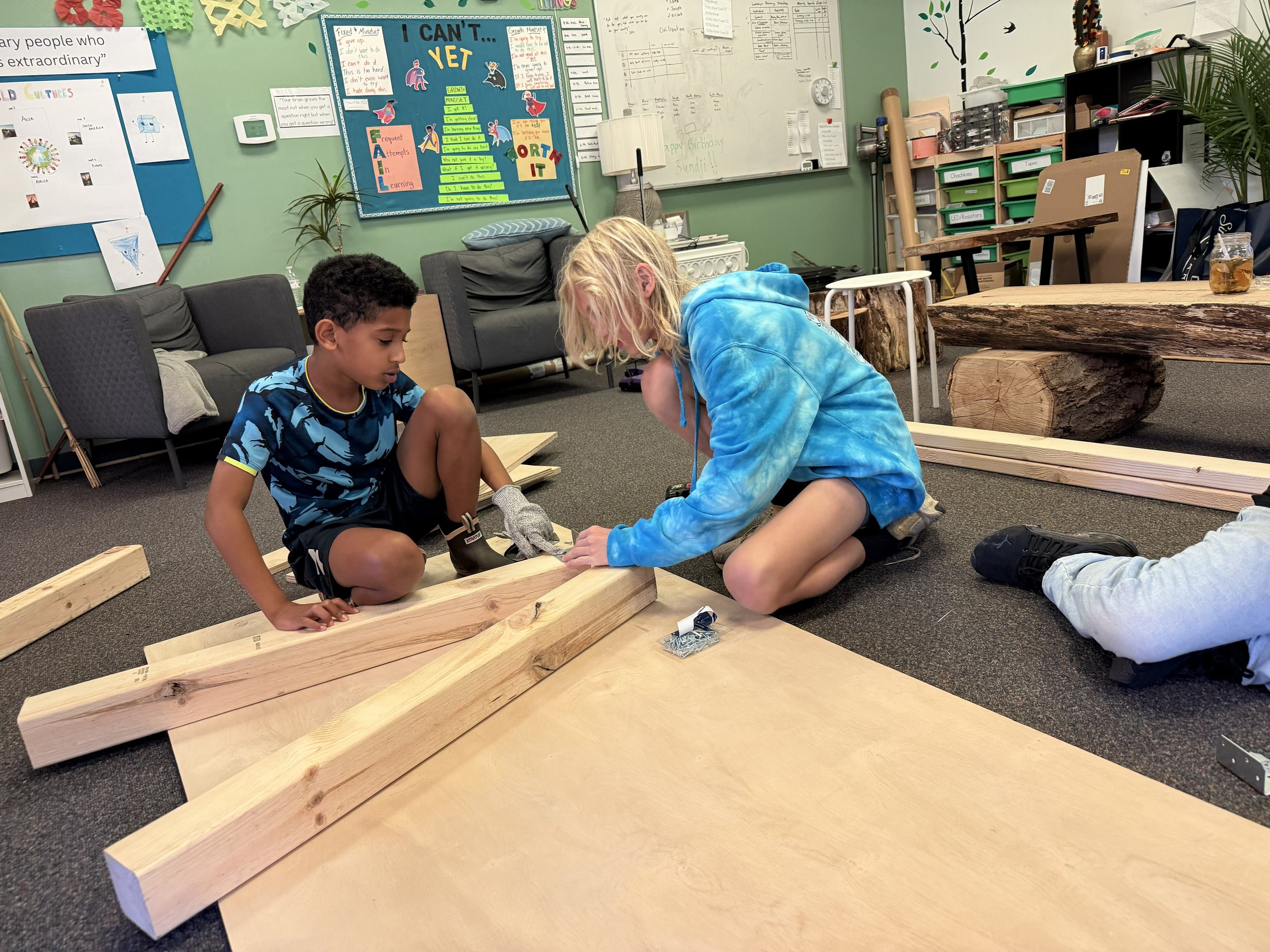
1) Learner-Driven Studios
Learners set goals, track progress, hold each other accountable, and govern their community. Adults guide, question, and challenge.
2) Quests With Real-World Consequences
Hands-on, interdisciplinary projects where learners solve real problems, build real things, and face real feedback from exhibitions and audiences.
3) Mastery-Based Learning
No grades and no age-based progression. Learners move forward when they master the skill—whether that takes two hours or two months.
4) Apprenticeships and Mentorship
Learners step into the real world to test interests and discover what motivates them.
5) A Culture of Excellence and Choice
Learners choose challenges, navigate freedom responsibly, and learn from the consequences of their decisions.
- Not through lectures, but through ownership.
- Not through worksheets, but through struggle and triumph.
- Not through compliance, but through courage.
Why Acton Is the School the 21st Century Needs
The children of today are growing up in a world where:
- AI will handle routine tasks
- Automation will handle repetitive jobs
- Knowledge will always be one tap away
- The biggest opportunities will go to those who can lead, collaborate, innovate, and persevere
Traditional schools—designed for an industrial era—cannot prepare children for this future because they were never built for it. Acton Academy Columbus is.
A Final Word
The greatest gift we can give young people is not more information. It’s not more worksheets. It’s not more standardized tests.
It’s agency.
Want to see what a school built for the 21st century looks like?
The best way to understand Acton is to experience it. If you’re exploring whether Acton is the right fit for your family, we’d love to help you take the next step.