
Confidence Isn’t Taught. It’s Built—One Real Challenge at a Time
Confidence Isn’t Taught. It’s Built—One Real Challenge at a Time
The 3 R’s Built the Schools of the Past.
The 4 C’s (And a 5th) Build the Leaders of the Future.
Reading. Writing. Arithmetic.
Those skills made sense in an era where success meant following directions, producing correct answers, and fitting into predictable systems. But the world today is changing faster than any generation before. Employers, communities, and innovators increasingly value people who can think clearly, work with others, create something new, and communicate with courage—even when the path isn’t obvious.
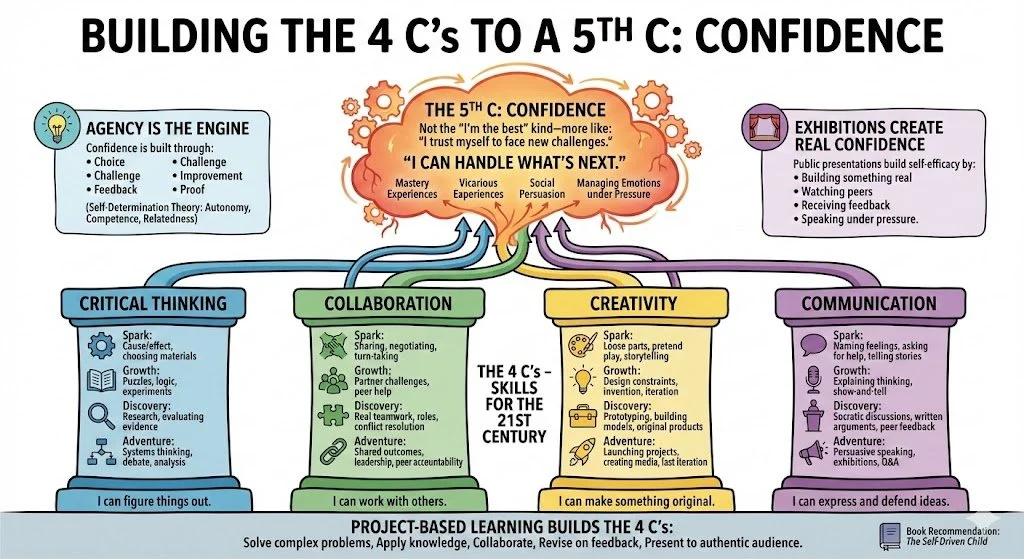
At Acton Academy Columbus, we center learning around the 4 C’s: Critical Thinking, Collaboration, Creativity, and Communication. When these are practiced daily, publicly, and with real responsibility, something else emerges naturally: Confidence—a grounded, resilient type of confidence: “I trust myself to figure things out.”
Why the 4 C’s Matter
Decades of research supports the idea that skills like critical thinking, creativity, collaboration, and communication are essential components of what researchers and educators call 21st century skills— competencies needed for success in a complex, unpredictable world. These skills aren’t separate from academic knowledge; they amplify and extend it.
How Real Work Builds Real Skills
At Acton Academy Columbus, every part of the day is designed so that learners build the 4 C’s through meaningful, messy, human experiences—not worksheets.
Spark Studio (Early Childhood)
Confidence begins as: “I can do it myself.”
In Spark Studio, learning is tactile, social, and deeply experiential:
- Cooking projects: Learners choose recipes, measure ingredients, troubleshoot timing, and adjust when things don’t turn out as planned.
- World culture explorations: Children make foods like Colombian arepas, Paraguayan mbejú, and Vietnamese spring rolls—discovering cause/effect, sequencing, and cultural storytelling at the same time.
- Open-ended materials: Loose parts and construction play let learners experiment, test ideas, and reflect on what works.
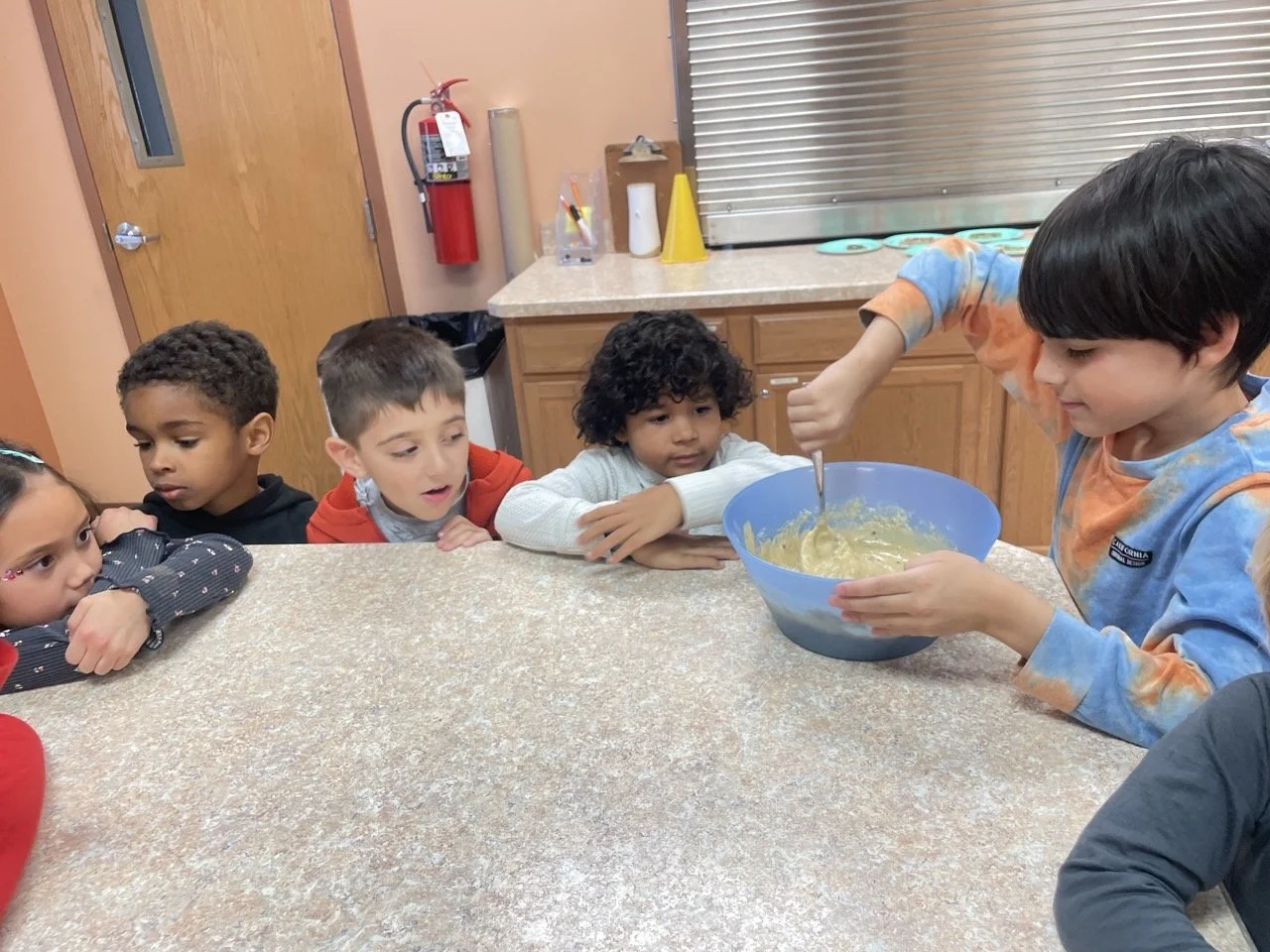
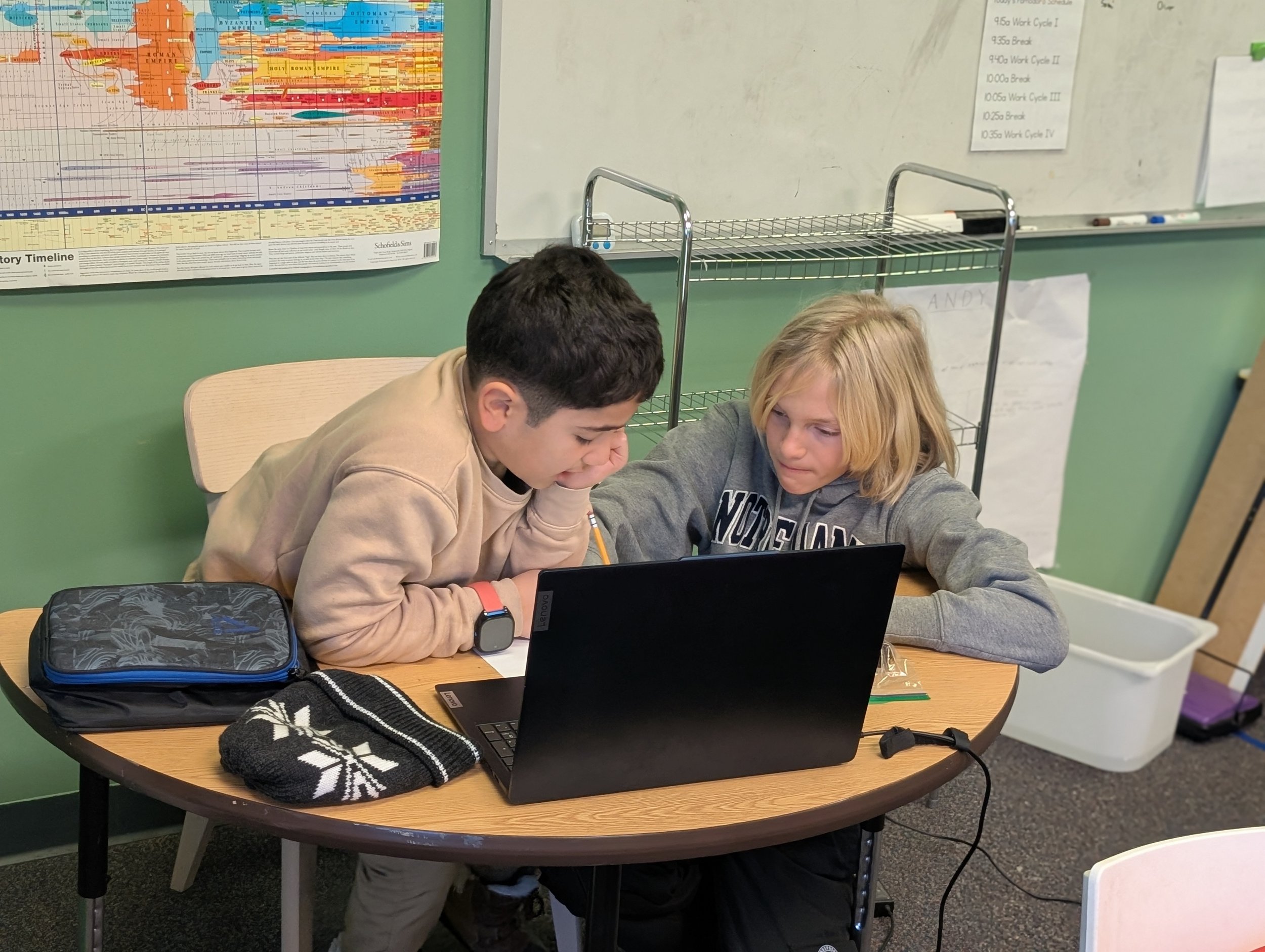
- Critical Thinking: Choosing materials, adjusting plans, noticing real cause and effect.
- Collaboration: Working around shared materials, negotiating roles, repairing social bumps.
- Creativity: Imagining, building, and inventing with open-ended tools.
- Communication: Naming feelings, telling stories about what was made or what didn’t work.
Growth Studio (Lower Elementary)
Confidence grows into: “I can figure things out.”
- Logic & strategy challenges: Puzzles that invite explanation of strategy, not just correct answers.
- Partner finds: Collaborative problem solving with roles and responsibilities.
- Constraint-driven builds: Projects with specific materials or parameters that must be iterated on.
Discovery Studio (Upper Elementary)
Confidence becomes: “I can lead my learning.”
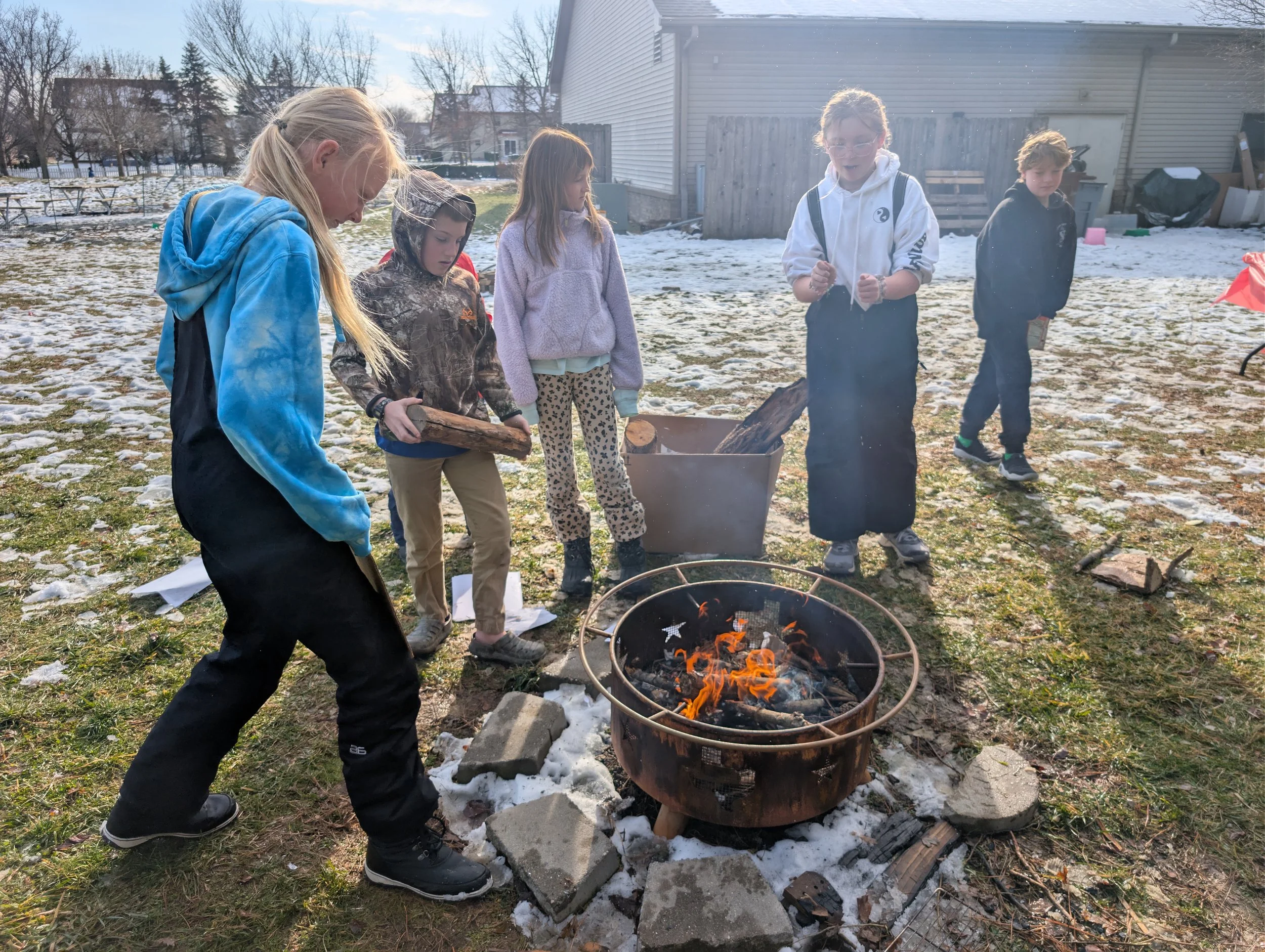
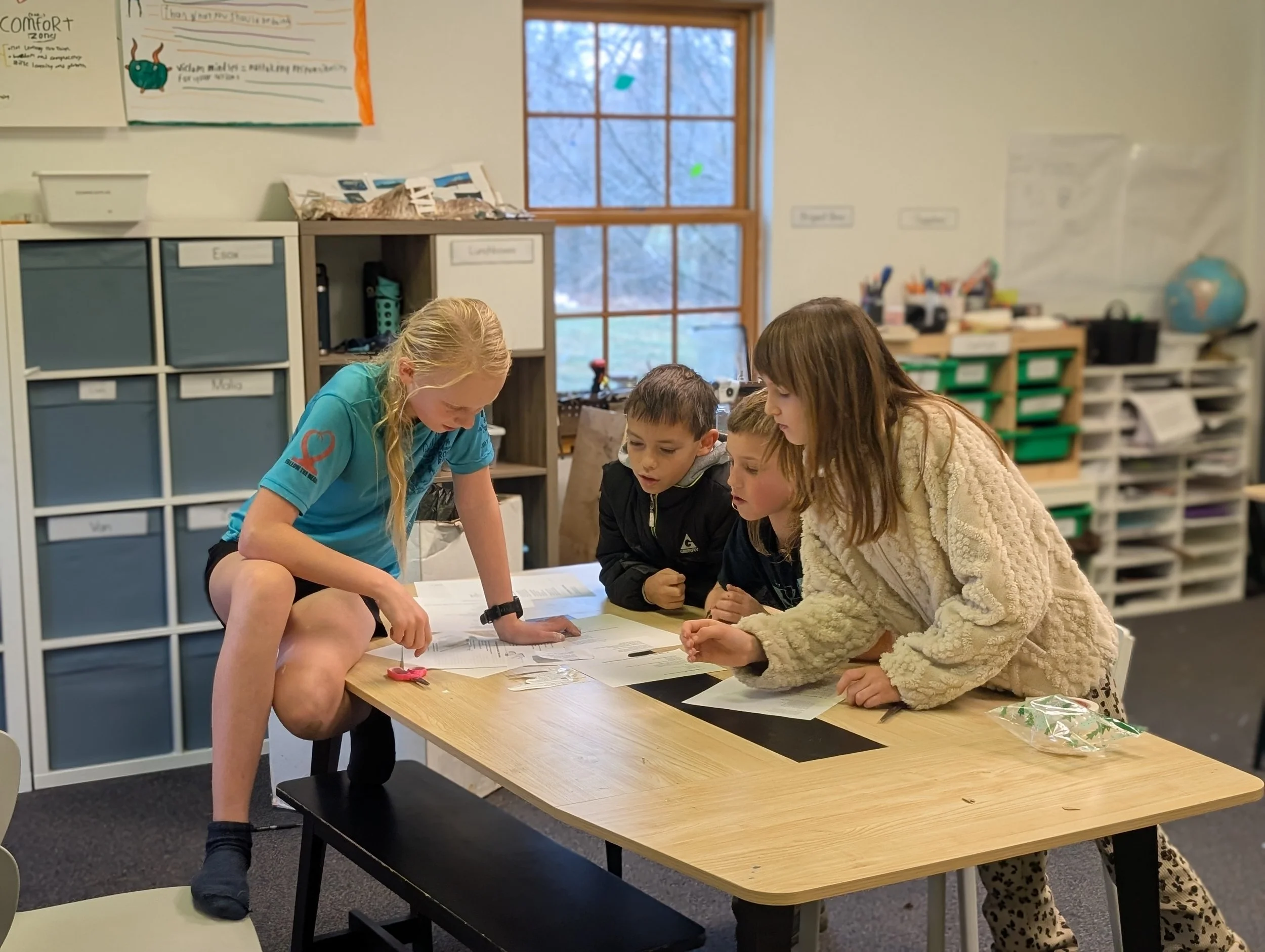
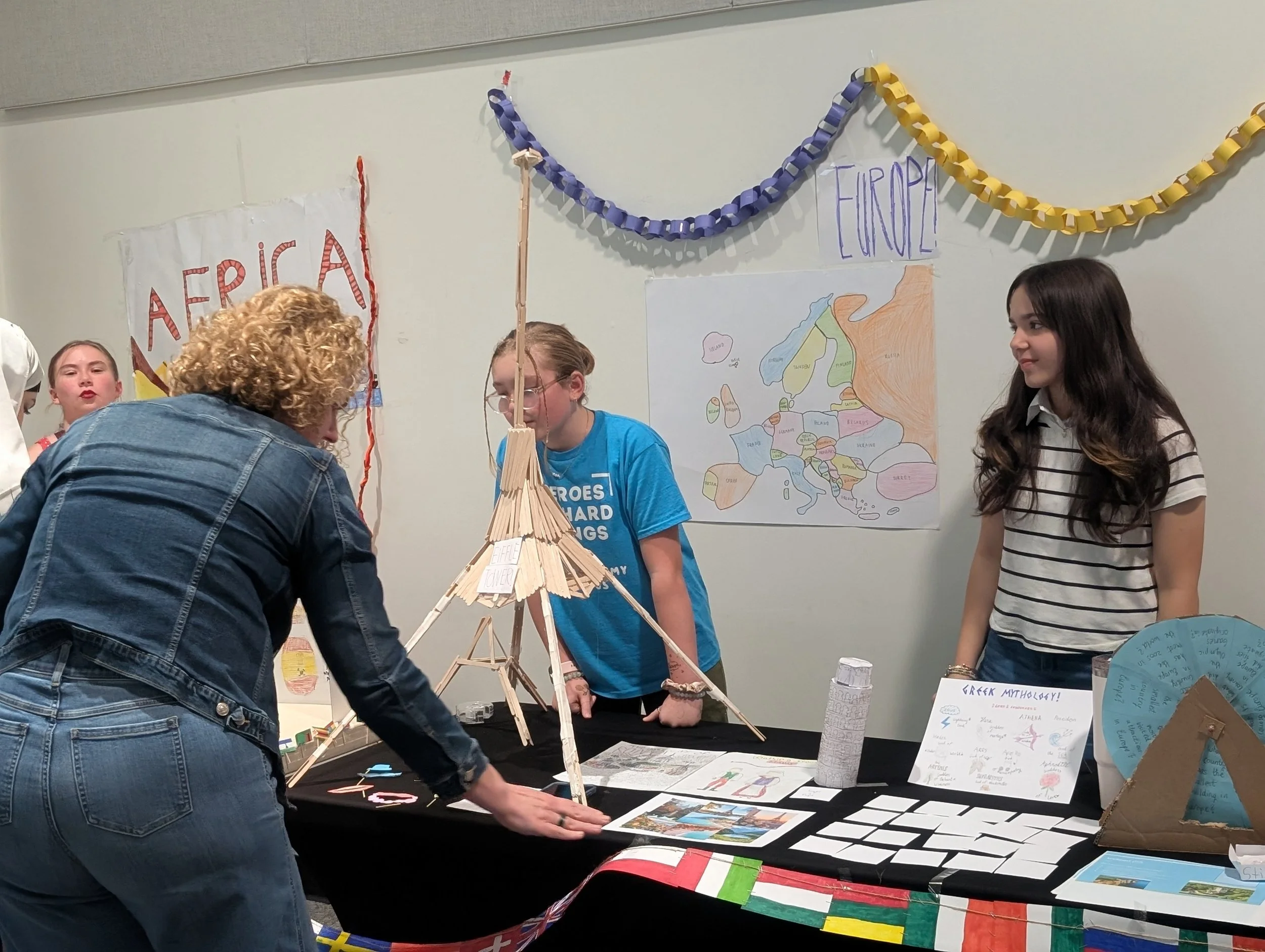
- Research investigations: Comparing sources, evaluating evidence, planning next steps.
- Team projects: Learners assign roles, set timelines, and make accountability pacts.
- Iterated prototypes: Making models, testing them, and revising based on feedback.
Adventure Studio (Middle School)
Confidence becomes: “I can create value in the world.”
- Writers’ workshop: Learners draft, revise, and defend ideas in public writing exhibitions.
- Public exhibitions: Presentations with Q&A, defending decisions under real pressure.
- Team projects with outcomes: Teams build products, proposals, events, or media—and deliver them to stakeholders, not just teachers.
The Role of Autonomy in Confidence
Psychological research shows that environments supporting autonomy (choice), competence (effectiveness), and relatedness (connection) foster intrinsic motivation—the kind of drive that leads learners to persist, innovate, and grow. Project work, exhibitions, and learner-driven planning all nurture these conditions. When learners choose meaningful work, receive real feedback, and connect with peers, they not only build skills—they build self-trust.
Why Exhibitions Matter
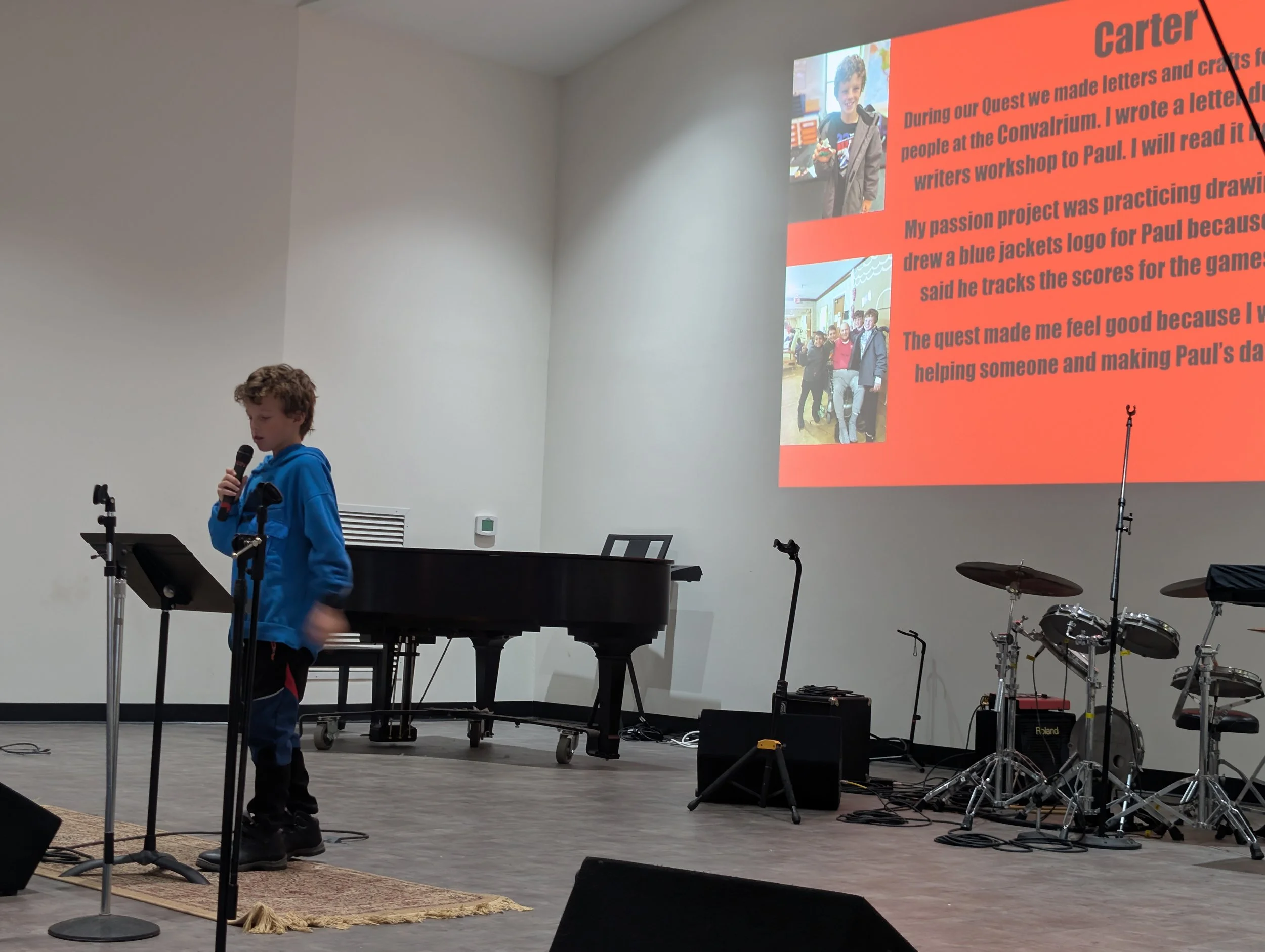
Presenting work publicly isn’t “just for show.” It’s a structured confidence-building system. Exhibitions give learners:
- Mastery experiences: doing hard work successfully.
- Peer modeling: seeing others succeed and believing “I can too.”
- Authentic feedback: real responses from adults and peers.
- Pressure practice: managing emotions while it matters.
That combination builds efficacy—the belief that “I can handle what’s next.”
The 4 C’s → The 5th C: Confidence
- Critical Thinking: I can figure things out.
- Collaboration: I can work with others.
- Creativity: I can make something original.
- Communication: I can express and defend ideas.
- Confidence: I trust myself to face new challenges.
In Plain Terms
We don’t teach confidence with praise. We build it through:
- Choice
- Challenge
- Feedback
- Iteration
- Proof
That’s how learners learn they can do hard things—and do them well.
A Parent Resource
To understand more about how autonomy and ownership fuel motivation—without rescuing your child—we recommend: The Self-Driven Child by William Stixrud & Ned Johnson.
Want to see how confidence is built at Acton?
The best way to understand Acton is to experience it. If you’re exploring whether Acton is the right fit for your family, we’d love to help you take the next step.